
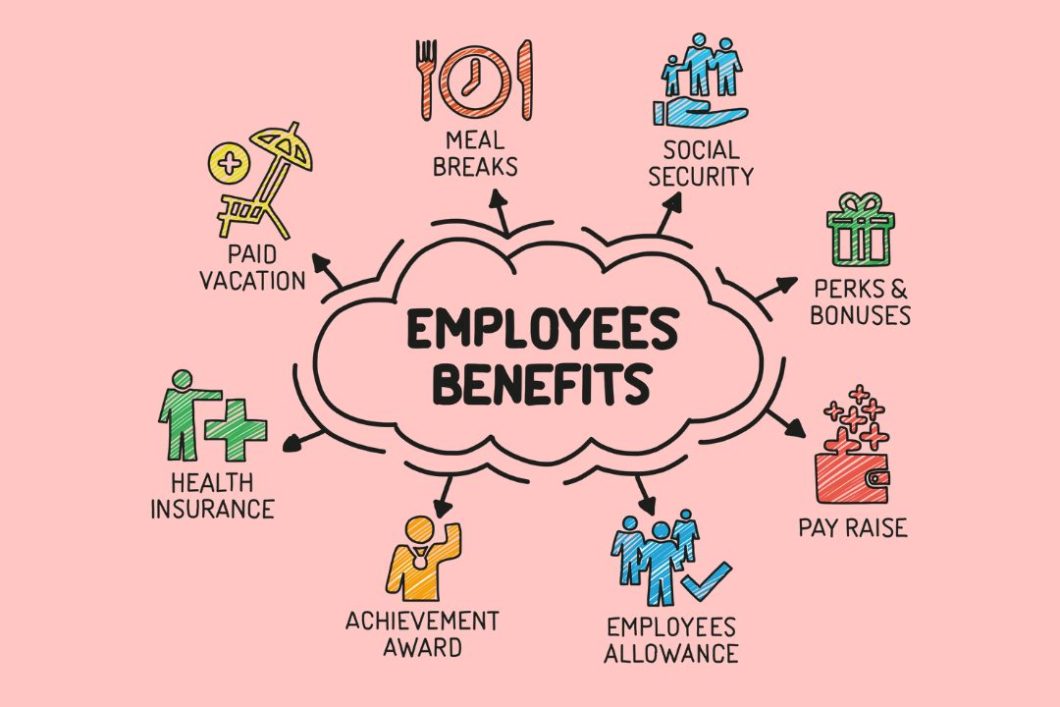
In today’s competitive job market, offering an exceptional employee benefits program is not just an advantage—it’s a necessity. For small businesses, crafting a benefits package that balances employee needs and budget constraints can significantly impact recruitment, retention, and workplace morale.
A thoughtfully designed benefits program signals to employees that their well-being and growth are priorities, fostering loyalty and boosting productivity. This guide provides an in-depth look at building an employee benefits program, including best practices, examples, and actionable strategies.
Why Employee Benefits Matter More Than Ever
Employee benefits are a critical part of compensation packages. They’re no longer just about offering a paycheck—they demonstrate your commitment to your team’s overall well-being.
The Tangible and Intangible Benefits of Offering Employee Benefits
- Attracting Top Talent: Benefits rank among the top three considerations for job seekers, especially millennials and Gen Z professionals.
- Enhancing Workplace Culture: Perks like wellness programs and professional development create a supportive and vibrant environment.
- Reducing Absenteeism: Health-focused benefits like gym memberships and mental health resources lead to healthier, more engaged employees.
- Boosting Retention: Happy employees stay longer, reducing recruitment and training costs.
What Employees Value Most in Benefits Packages
While every workforce is different, surveys consistently reveal common preferences in benefits programs.
Top Employee Preferences (Ranked by Importance):
- Health Insurance: The cornerstone of most benefits packages.
- Retirement Savings Plans: Employees want long-term financial security.
- Paid Time Off (PTO): A flexible approach to vacation, sick leave, and personal days is increasingly valued.
- Wellness Perks: From gym memberships to meditation apps, wellness benefits are gaining popularity.
- Professional Development: Opportunities for learning and growth are vital for ambitious employees.
Real-World Insight:
According to a 2023 Glassdoor survey, 80% of employees prioritize benefits over a pay raise when considering a job offer.
Step-by-Step Guide to Building a Winning Benefits Program
1. Set Clear Objectives
Begin by identifying the goals of your benefits program.
Questions to Define Your Objectives:
- Are you looking to attract top talent in a competitive field?
- Do you want to reduce turnover and retain experienced employees?
- Are health and wellness a priority for your workforce?
Example Objective:
A construction company aims to improve safety and retention rates by offering comprehensive health insurance and accident coverage, along with wellness programs.
2. Know Your Budget
Benefits are a significant investment, and setting a clear budget helps you make strategic decisions.
Cost Considerations:
- The average employer spends $12,000 annually per employee on benefits (source: SHRM).
- Look for cost-effective solutions like tax-advantaged benefits (e.g., HSAs or FSAs).
Example:
A small retail business with a $50,000 annual benefits budget opts for group health insurance and an employee assistance program (EAP) to maximize value.
3. Tailor Benefits to Employee Needs
Conducting employee surveys is essential to understanding what your team values most.
How to Customize Benefits Based on Survey Results:
- Offer flexible health insurance options (e.g., PPOs or HMOs).
- Provide different tiers of PTO based on tenure.
- Include specialized benefits, such as tuition reimbursement for younger employees or eldercare support for older team members.
Pro Tip: Consider demographic trends when designing benefits. For example, a younger workforce may prioritize student loan assistance over retirement savings.
4. Choose the Right Providers
Partnering with reliable benefit providers ensures smooth implementation and employee satisfaction.
Provider Selection Criteria:
- Network size and quality.
- Customer support responsiveness.
- Cost-effectiveness and scalability.
Example Providers by Category:
| Benefit | Providers |
|---|---|
| Health Insurance | Aetna, Cigna, Blue Shield |
| Retirement Plans | Charles Schwab, Vanguard |
| Wellness Perks | Calm, Peloton Corporate Wellness |
5. Offer Comprehensive Health Benefits
Health benefits remain the most critical offering for most employees. A robust health plan includes medical, dental, and vision coverage.
Key Considerations for Health Plans:
- Premium Sharing: Splitting costs between employer and employees makes plans affordable.
- HSA and FSA Options: Encourage tax-advantaged savings for healthcare expenses.
- Telemedicine Services: Include virtual healthcare visits for convenience and accessibility.
Example:
A small IT firm offers an HDHP (high-deductible health plan) paired with an employer-contributed HSA, reducing premium costs while giving employees financial flexibility.
6. Provide Retirement Savings Options
Retirement planning is a key concern for employees across all industries. Offering a 401(k) or IRA is a great way to support their financial futures.
Retirement Plan Enhancements:
- Employer matching contributions (e.g., match 50% of employee contributions up to 6% of salary).
- Educational sessions on investment strategies.
- Auto-enrollment to encourage participation.
7. Integrate Low-Cost Perks with High Impact
Small businesses don’t need to break the bank to create a valuable benefits package. Consider adding affordable perks that resonate with employees.
Examples:
- Flexible work schedules.
- Free snacks or meals.
- Monthly stipends for home office expenses.
- Annual wellness challenges with prizes.
Example:
A boutique PR firm offers “Summer Fridays,” allowing employees to leave early on Fridays during the summer, significantly boosting morale.
8. Introduce Professional Development Opportunities
Investing in your employees’ growth benefits both the individual and the company.
Professional Development Ideas:
- Tuition reimbursement for job-related courses.
- Access to online learning platforms like LinkedIn Learning or Coursera.
- Sponsorship for industry certifications or conferences.
Pro Tip: Create a development budget for each employee to use toward their learning goals.
Enhancing Employee Communication and Engagement
1. Educate Employees on Their Benefits
Even the best benefits program won’t deliver results if employees don’t understand how to use it.
Best Practices for Education:
- Host quarterly benefits Q&A sessions.
- Provide digital resources, like benefit comparison charts.
- Partner with providers to deliver webinars or tutorials.
2. Promote Wellness and Work-Life Balance
A workplace culture that emphasizes wellness improves employee satisfaction and reduces absenteeism.
Wellness Program Ideas:
- Monthly mental health days.
- Team fitness challenges with incentives.
- On-site yoga or mindfulness workshops.
Example:
A manufacturing company sees a 20% reduction in sick days after introducing a corporate wellness program with free gym memberships and flu shots.
3. Regularly Evaluate Your Benefits Program
Your workforce’s needs will evolve over time, and your benefits program should keep pace.
Annual Review Checklist:
- Survey employees for feedback on current offerings.
- Assess cost-effectiveness and ROI of each benefit.
- Stay informed about new trends in employee benefits.
Case Study: Small Business Success with Benefits
Business: A 25-employee design studio in Austin, Texas
Challenge: Employee turnover due to limited benefits and lack of flexibility.
Solution:
- Introduced a hybrid health plan (PPO) with 401(k) matching.
- Added flexible PTO and remote work options.
- Partnered with Headspace for corporate mindfulness subscriptions.
Outcome: Turnover decreased by 35%, and employee engagement scores improved significantly.
Conclusion
Designing a winning employee benefits program is essential for attracting and retaining the best talent. By understanding your workforce’s priorities, balancing costs, and continually improving your offerings, you can build a package that not only meets employee needs but also strengthens your company culture.
Start small if needed, and focus on high-impact benefits that align with your business goals. Over time, your program will evolve into a powerful tool for driving employee satisfaction, productivity, and long-term success.