
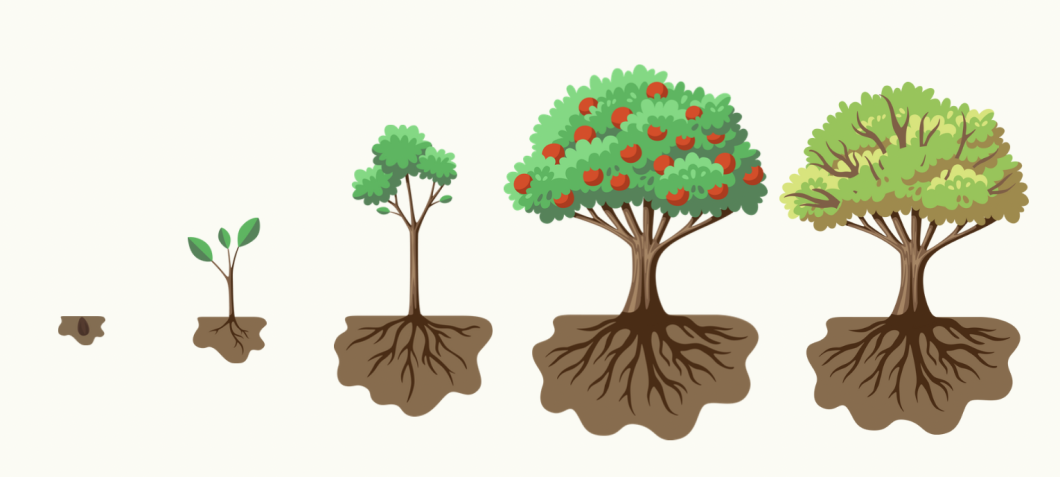
Every business starts with an idea, but transforming that idea into a successful and sustainable enterprise is a journey filled with challenges, opportunities, and growth milestones. Understanding the stages of business growth can help business owners navigate these transitions effectively.
The concept of the 5 Stages of Small Business Growth was introduced by Neil C. Churchill and Virginia L. Lewis in their 1983 Harvard Business Review article (source). This framework identifies five distinct stages—Existence, Survival, Success, Takeoff, and Resource Maturity—each with its own characteristics, challenges, and strategies.
While the 5-stage model remains widely accepted, some theorists argue for an expanded 7-stage model, which includes additional nuances like diversification and reinvention. However, the original five stages remain the foundation for understanding how businesses evolve.
In this article, we’ll delve deeply into each stage, explore how the framework has evolved, and offer actionable strategies for business owners at every level.
Understanding the 5 Stages of Business Growth
Stage 1- Existence
Overview:
The Existence stage is the starting point for any business. At this phase, the primary goal is survival—establishing a customer base, delivering products or services, and managing cash flow. Many businesses never move beyond this stage, as the risks are high and resources are often limited.
Characteristics:
- Heavy reliance on the owner for all decision-making and operations.
- Limited resources, with minimal infrastructure or staff.
- A focus on day-to-day operations rather than long-term strategy.
Challenges:
- Attracting and retaining customers.
- Ensuring consistent cash flow to cover expenses.
- Lacking established processes for operations or scalability.
Example:
A small bakery opens in a neighborhood with the owner managing everything from sourcing ingredients to marketing and customer service. Their focus is simply getting customers through the door and ensuring enough revenue to pay the bills.
Strategies for Success:
- Conduct market research to validate the demand for your product or service.
- Start lean: Avoid unnecessary expenses by focusing only on core operations.
- Prioritize customer feedback to refine offerings and build loyalty.
Stage 2- Survival
Overview:
In the Survival stage, the business has achieved some stability, with regular revenue coming in. However, profitability and cash flow management remain critical concerns. The main objective here is to ensure that the business can cover its expenses and begin laying the groundwork for growth.
Characteristics:
- Revenue is growing, but profit margins may still be slim.
- The business is developing basic systems to manage operations.
- The owner remains deeply involved in day-to-day decisions but may begin delegating certain tasks.
Challenges:
- Balancing growth and profitability.
- Retaining early customers while acquiring new ones.
- Avoiding burnout, as the owner is still heavily involved in operations.
Example:
An e-commerce store consistently generates sales but struggles to maintain inventory due to cash flow constraints. The owner invests in marketing campaigns to increase repeat purchases while keeping overhead low.
Strategies for Success:
- Use accounting tools like QuickBooks or Xero to track cash flow and identify inefficiencies.
- Develop marketing campaigns to boost customer retention and encourage referrals.
- Build a contingency fund to handle unexpected expenses or slow sales periods.
Stage 3- Success
Overview:
The Success stage is a pivotal moment for any business. At this point, the business is profitable, and the owner must decide whether to prioritize stability or reinvest profits to pursue growth. This stage often splits into two paths: Success-Disengagement, where the owner focuses on maintaining the current operation, and Success-Growth, where they take active steps to scale the business.
Characteristics:
- Established customer base and consistent profitability.
- A focus on refining operations and maximizing efficiency.
- The potential for leadership transitions or delegating key responsibilities.
Challenges:
- Deciding between maintaining stability and pursuing aggressive growth.
- Scaling operations without sacrificing quality.
- Managing leadership transitions or bringing in external expertise.
Example:
A regional catering company becomes profitable, with steady bookings and strong word-of-mouth referrals. The owner considers expanding into a neighboring state but must decide whether to take on the financial risk.
Strategies for Success:
- For Success-Disengagement: Focus on automating processes, reducing debt, and diversifying revenue streams.
- For Success-Growth: Create a detailed growth plan, invest in new markets, and hire experienced leaders to manage expansion efforts.
Stage 4- Takeoff
Overview:
Takeoff is the phase of rapid growth and expansion. Businesses at this stage are scaling up, investing heavily in infrastructure, and hiring specialized leadership to manage increased complexity. While the rewards of this stage can be significant, the risks are equally high.
Characteristics:
- Rapidly increasing revenue and market share.
- The business is hiring new staff and building infrastructure to meet demand.
- Greater reliance on systems and technology to manage operations.
Challenges:
- Securing funding for growth initiatives.
- Managing organizational complexity as the team and operations expand.
- Maintaining company culture and service quality during rapid change.
Example:
A software startup launches a subscription-based product that quickly gains traction. To meet growing demand, they expand their development team, invest in marketing campaigns, and hire regional sales managers.
Strategies for Success:
- Hire experienced executives to oversee specialized areas like operations, finance, and HR.
- Implement systems like CRM or ERP software to streamline workflows.
- Build a strong internal culture to maintain alignment during expansion.
Stage 5- Resource Maturity
Overview:
At the Resource Maturity stage, the business has achieved stability, with a strong market presence, efficient operations, and financial security. The focus now shifts to innovation, sustainability, and long-term planning to remain competitive.
Characteristics:
- The business is well-established and financially stable.
- Leadership is focused on risk management, innovation, and maintaining efficiency.
- The team is large, with clear organizational structures.
Challenges:
- Avoiding complacency and stagnation.
- Managing inefficiencies that often arise in large organizations.
- Innovating to stay relevant in changing markets.
Example:
A national retail chain implements an e-commerce platform to stay competitive with online retailers like Amazon. This innovation helps them reach new customer segments and drive additional revenue.
Strategies for Success:
- Invest in R&D to develop new products and services.
- Monitor market trends to anticipate shifts in customer preferences.
- Implement succession planning to prepare for leadership changes.
How the 5 Stages Have Evolved
While Churchill and Lewis’s 5-stage model remains widely accepted, many theorists now suggest an expanded 7-stage model. The additional stages often include Diversification (when businesses expand into unrelated industries) and Reinvention (when businesses adapt to market disruptions).
However, most business owners find the 5-stage framework sufficient for understanding core growth challenges. The additional stages, while valuable, apply primarily to large corporations with significant resources.
Applying the 5 Stages to Your Business
Self-assessment:
- What stage is your business currently in?
- Are you focusing on the right priorities for your stage?
- Do you have the resources and expertise needed to progress to the next stage?
Planning for progression:
- Identify bottlenecks and invest in solutions, whether through technology, staffing, or external consultants.
- Secure funding for growth when necessary, but avoid over-leveraging your business.
- Regularly evaluate your strategy to ensure it aligns with your current stage and long-term goals.
The Journey of Business Growth is Dynamic
Whether you’re just starting out or managing a mature business, knowing where you stand on this roadmap can help you make informed decisions and achieve your goals. Take time to assess your business today and use the insights from this model to guide your next steps.