
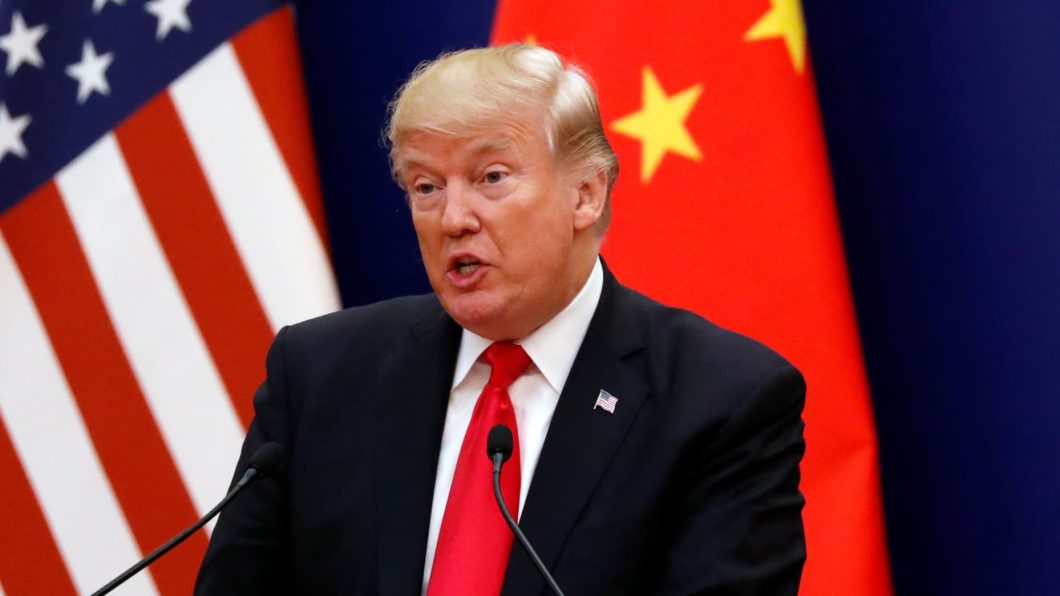
Trade tariffs are among the most hotly debated economic policies in the modern world. When former President Donald Trump introduced his proposed tariff plan, it sent shockwaves through global markets and the business community. Advocates argued the plan would protect American jobs and level the playing field in international trade, while critics warned it could lead to higher prices, economic inefficiency, and trade wars.
This article provides an in-depth look at Trump’s proposed tariffs: why they were introduced, how they could affect businesses, and why many economists were skeptical about their efficacy. We’ll explore historical examples, provide real-world case studies, and offer actionable strategies for business owners to navigate the potential challenges.
What Are Tariffs and How Do They Work?
Tariffs are taxes or duties imposed on imported goods. Governments use them for several purposes, including:
- Revenue Generation: Historically, tariffs served as a primary source of income for many countries.
- Protecting Domestic Industries: Tariffs make imported goods more expensive, encouraging consumers to buy locally produced items.
- Trade Policy Enforcement: Tariffs can penalize countries engaging in unfair trade practices, such as dumping goods at artificially low prices.
In practical terms, when tariffs are applied, the cost of imported goods rises, often leading businesses to pass those costs on to consumers.
Trump’s Proposed Tariff Plan
Trump’s tariff plan included:
- Baseline Tariffs: A 10% to 20% tax on all imports into the United States.
- Targeted Tariffs: Additional duties of up to 25% on goods from specific countries, most notably China, as part of a broader strategy to address trade imbalances.
- Steel and Aluminum Tariffs: 25% on imported steel and 10% on aluminum, designed to revitalize domestic production of these materials.
Trump justified these measures as a means of addressing:
- Trade Deficits: The U.S. had a significant trade deficit with countries like China, importing far more than it exported.
- Job Losses: The outsourcing of manufacturing jobs to countries with lower labor costs.
- National Security Concerns: Dependence on foreign production for critical materials like steel and aluminum.
Historical Context: A Look Back at Tariffs
Tariffs have long been a tool of economic policy, with varying degrees of success:
1. The Early United States
In the 19th century, tariffs were a major source of government revenue and protected fledgling American industries. The Tariff of 1816, for example, shielded domestic textile manufacturers from British imports.
2. The Smoot-Hawley Tariff Act (1930)
During the Great Depression, the U.S. passed the Smoot-Hawley Tariff, imposing steep tariffs on over 20,000 imported goods. While intended to protect American jobs, the act backfired as other countries retaliated with tariffs of their own, leading to a collapse in global trade.
3. Post-WWII Free Trade Era
After World War II, the U.S. pivoted towards trade liberalization, supporting agreements like GATT (General Agreement on Tariffs and Trade) and the establishment of the World Trade Organization (WTO). These efforts reduced global tariffs, boosting international trade.
Trump’s tariff plan marked a significant departure from this trend, signaling a return to protectionism.
The Business Impact of Tariffs
1. Higher Costs for Import-Dependent Businesses
Tariffs increase the cost of imported goods. For businesses reliant on foreign materials, this can lead to significant price hikes.
Example:
A U.S. furniture manufacturer importing raw wood from Canada faced a 10% tariff. As a result, production costs rose by $500,000 annually, forcing the company to raise prices or absorb the cost.
Key Affected Industries:
- Technology: Many components are sourced from Asia.
- Automotive: Cars often include parts from multiple countries.
- Retail: Clothing and footwear are heavily reliant on imports.
2. Retaliatory Tariffs and Export Challenges
Other countries may impose retaliatory tariffs on U.S. goods, harming export-oriented businesses.
Example:
China responded to U.S. tariffs by imposing duties on American soybeans, leading to a 25% drop in exports and $12 billion in lost revenue for U.S. farmers.
3. Supply Chain Disruptions
Companies with global supply chains must adapt to the new costs and complexities tariffs introduce.
Solutions for Businesses:
- Diversify suppliers to include tariff-free countries.
- Negotiate better terms with existing suppliers.
- Explore domestic production where feasible.
4. Increased Consumer Prices
Businesses often pass increased costs onto consumers, leading to higher prices for goods ranging from electronics to groceries.
Case Study: The Steel Tariffs
Trump’s 25% steel tariff led to higher prices for domestic steel, affecting industries like construction and manufacturing. A U.S. appliance company reported that tariffs added $200 to the cost of producing each refrigerator, which was ultimately passed on to consumers.
Economists’ Perspectives on Tariffs
While the administration framed tariffs as a way to protect American jobs and industries, most economists were skeptical:
1. Economic Inefficiencies
Tariffs distort markets by artificially inflating prices. This can lead to misallocated resources, as businesses invest in less efficient domestic production.
2. Negative Consumer Impact
Studies estimate that the Trump administration’s tariffs cost the average U.S. household $1,277 annually in higher prices.
3. Risk of Trade Wars
Trade wars escalate tensions between countries, reducing overall economic activity. The International Monetary Fund (IMF) warned that prolonged trade disputes could cut global GDP by 0.8%—equivalent to $700 billion—by 2025.
Source: IMF Trade War Analysis.
Why Tariffs Were Popular with Some Constituents
Despite the economic risks, tariffs resonated with parts of Trump’s base, particularly in manufacturing-heavy regions:
- Job Protection: Workers in industries like steel and aluminum viewed tariffs as a lifeline.
- Economic Nationalism: Tariffs aligned with the administration’s “America First” philosophy.
Navigating Tariffs: What Businesses Can Do
1. Evaluate Supply Chains
Identify products or materials most affected by tariffs and explore alternatives.
Steps to Optimize Supply Chains:
- Map your current supply chain.
- Identify countries with lower tariff rates.
- Build relationships with new suppliers.
2. Embrace Automation
Investing in automation can offset higher labor or material costs, improving efficiency and reducing dependency on imports.
Example:
A U.S. auto parts manufacturer implemented robotic assembly lines, cutting production costs by 15%.
3. Leverage Trade Agreements
Take advantage of free trade agreements like the USMCA (United States-Mexico-Canada Agreement), which provides tariff exemptions for certain goods.
4. Advocate for Policy Change
Join industry associations or lobbying groups to advocate for fairer trade policies.
Example:
The National Retail Federation (NRF) played a key role in opposing tariffs on consumer goods, highlighting the impact on small businesses.
Conclusion: Balancing Protectionism and Globalization
Trump’s proposed tariff plan reflects a broader debate about the role of trade in modern economies. While tariffs can protect specific industries in the short term, their long-term impacts often include higher prices, inefficiencies, and strained international relations.
For businesses, the key lies in adaptability. By re-evaluating supply chains, investing in technology, and staying informed about trade policies, companies can mitigate the risks associated with tariffs while positioning themselves for success in a changing economic landscape.