
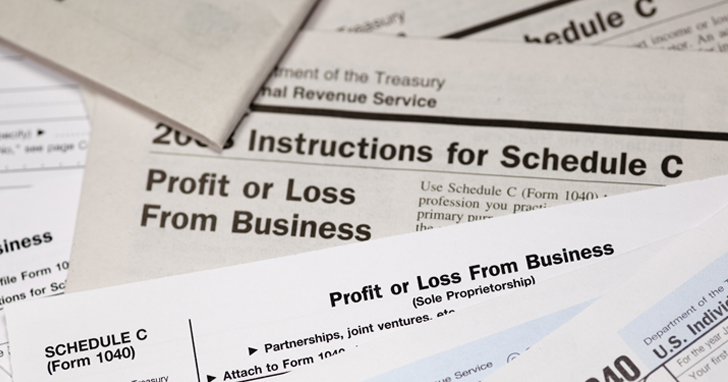
Tax season often brings a wave of stress for small business owners. It’s a time to scramble for receipts, organize financial records, and calculate how much is owed to the IRS. For many, the focus on taxes only lasts until the filing deadline—after that, taxes are forgotten until the next year.
But this approach is far from ideal. Taxes aren’t just a once-a-year task; they’re a year-round responsibility. Paying attention to taxes throughout the year can help small businesses reduce their tax burden, improve cash flow, and avoid costly mistakes.
Now that tax season is upon us, it’s the perfect opportunity to develop habits that will make next year’s process smoother and your business finances healthier. This guide will explore why tax management matters all year, the pitfalls of seasonal thinking, and how to adopt proactive habits that benefit your business.
The Pitfalls of Seasonal Tax Thinking
Many small business owners only focus on taxes in the weeks leading up to the filing deadline. This last-minute approach may seem manageable, but it often creates unnecessary stress and financial strain.
Why Last-Minute Tax Prep Is Problematic
- Increased likelihood of errors: Rushing through tax preparation can result in mistakes, like misreporting income or overlooking deductions, which could trigger audits or penalties.
- Missed deductions and credits: Without proper documentation, businesses may fail to claim legitimate deductions, such as mileage, home office expenses, or training costs.
- Unexpected financial burdens: Discovering a significant tax liability at the last minute can strain your cash flow and disrupt business operations.
Example:
A restaurant owner rushed through their tax preparation and forgot to record $10,000 in equipment repairs, missing out on a valuable deduction that could have reduced their taxable income.
Common Mistakes Made During Tax Season
- Mixing personal and business expenses, which complicates record-keeping.
- Misclassifying employees as independent contractors or vice versa.
- Relying on estimates instead of accurate financial data.
Benefits of Paying Attention to Taxes Year-Round
Adopting year-round tax management practices offers numerous benefits, from reducing financial stress to maximizing savings.
Improved Cash Flow Management
Setting aside funds for taxes throughout the year prevents surprises when payments are due. Businesses can create a dedicated tax savings account, depositing a percentage of their monthly revenue to ensure they have enough for quarterly payments.
Why it matters:
Proactively managing taxes ensures you won’t face a cash crunch when payments are due, allowing you to maintain operations smoothly.
Maximizing Deductions and Credits
Tracking expenses and income year-round helps you identify and document deductible expenses. Examples include:
- Vehicle expenses: Keep a mileage log to calculate deductions for business-related travel.
- Home office deductions: Track the portion of utilities, rent, or mortgage interest allocated to your workspace.
- Training and education costs: Document expenses for courses, seminars, or certifications that improve your skills.
Example:
An IT consultancy saved $5,000 by meticulously documenting their software and equipment purchases, which qualified for deductions under Section 179.
Avoiding Penalties and Surprises
The IRS requires most businesses to pay estimated taxes quarterly. Failing to do so can result in underpayment penalties and interest charges. By staying on top of taxes throughout the year, you can avoid these extra costs.
Year-Round Tax Management Habits for Small Businesses
Creating sustainable tax habits ensures compliance and reduces the workload during tax season. Here are the most effective practices to adopt:
Track Income and Expenses Regularly
Use accounting tools like QuickBooks, Xero, or FreshBooks to monitor transactions in real time. Regularly review bank statements and reconcile accounts to identify tax-deductible expenses.
Separate Personal and Business Finances
Open a dedicated business bank account and credit card to avoid mixing personal and business transactions. Keeping finances separate not only simplifies tax preparation but also helps build credibility with the IRS.
Why it’s important:
Mixing finances increases the risk of audits and makes it difficult to track deductible expenses accurately.
Keep Receipts and Records Organized
Digitize your records using tools like Expensify, Wave, or Google Drive. Scan receipts and categorize them by expense type (e.g., travel, supplies, meals).
Pro Tip: Retain tax-related documents for at least three years in case of an audit.
Consult with a Tax Professional Year-Round
Schedule mid-year reviews with a CPA or enrolled agent to adjust tax strategies based on changes in revenue or tax laws. A tax professional can also provide guidance on industry-specific deductions and credits.
Example:
A landscaping company consulted their CPA mid-year and discovered they qualified for energy efficiency credits after upgrading their equipment.
Automate Tax Calculations and Payments
Use payroll software like Gusto or Bench to handle payroll taxes, and set up automatic reminders for quarterly tax payments. Automation reduces the risk of errors and ensures timely payments.
Adopting New Habits This Tax Season
Tax season is the ideal time to start implementing year-round tax practices. With financial records fresh from preparation, you can identify areas for improvement and create better systems.
Practical Steps to Start Now
- Create a tax calendar: Include deadlines for quarterly payments, mid-year reviews, and year-end planning.
- Set aside tax funds monthly: Allocate a percentage of your revenue to a separate tax savings account.
- Establish a record-keeping routine: Log expenses weekly or monthly to stay organized.
- Meet with your tax preparer post-filing: Discuss areas for improvement and create an action plan for the year.
Example:
A graphic design firm implemented weekly expense tracking after struggling with disorganized records during tax season. The following year, they identified $3,000 in additional deductions and reduced their taxable income significantly.
Long-Term Benefits of Proactive Tax Management
Proactive tax planning isn’t just about reducing stress during filing season—it’s about building a stronger financial foundation for your business.
Stronger Financial Health
By consistently setting aside funds for taxes, businesses can better manage cash flow and avoid the panic of unexpected liabilities.
Reduced Risk of Audits
Accurate and organized records lower the likelihood of IRS audits and ensure compliance with tax regulations.
Peace of Mind for Business Owners
With taxes managed year-round, you’ll have more time to focus on growing your business, improving operations, and serving your customers.
Conclusion: Don’t Let Taxes Be a Seasonal Chore
Taxes aren’t just a seasonal task—they’re an integral part of running a successful business. By paying attention to taxes all year, small business owners can reduce stress, save money, and ensure compliance with tax laws.
This tax season, don’t just file and forget. Use it as an opportunity to adopt new habits and make taxes a seamless part of your business operations. With proactive planning and year-round management, you can build a financially healthier and more resilient business.